hugo köcke
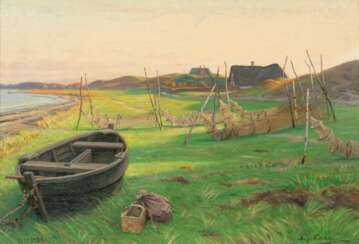

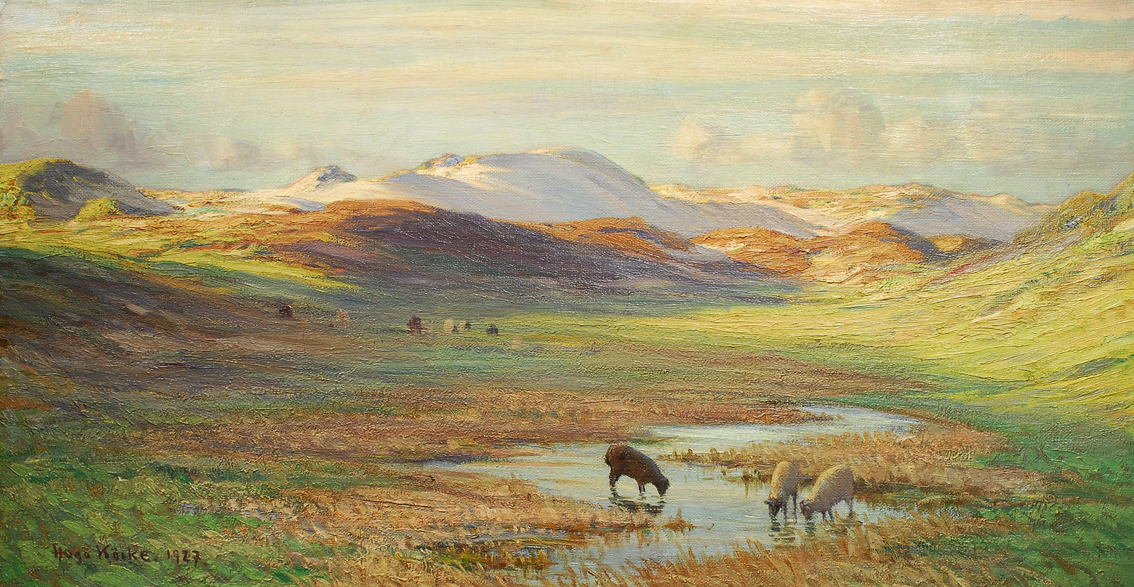
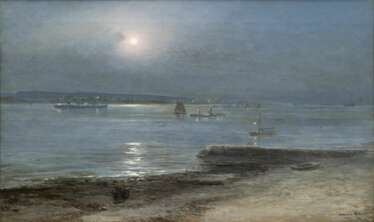
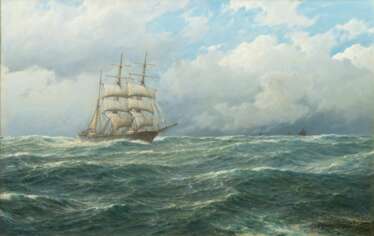
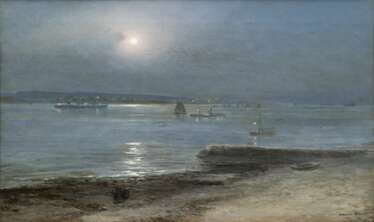
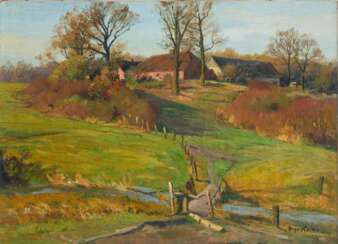
Hugo Wilhelm Georg Köcke was a German painter and graphic artist. He is known as a landscape painter, portrait painter and genre painter. He studied painting at the University of Fine Arts in Berlin. Since 1904 he participated regularly in large art exhibitions. From 1920 he became a member of the Berlin Association of Artists.
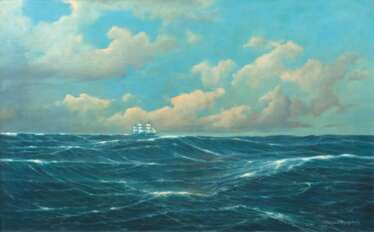
After his marriage in 1921 Hugo Köcke settled on the island of Sylt, where he painted many landscapes in oil.
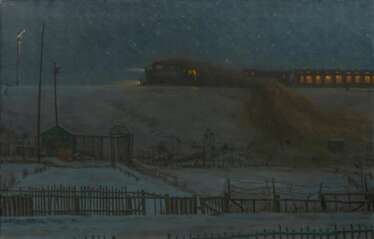

Hugo Wilhelm Georg Köcke was a German painter and graphic artist. He is known as a landscape painter, portrait painter and genre painter. He studied painting at the University of Fine Arts in Berlin. Since 1904 he participated regularly in large art exhibitions. From 1920 he became a member of the Berlin Association of Artists.
After his marriage in 1921 Hugo Köcke settled on the island of Sylt, where he painted many landscapes in oil.
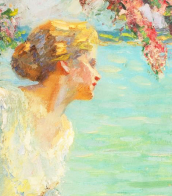
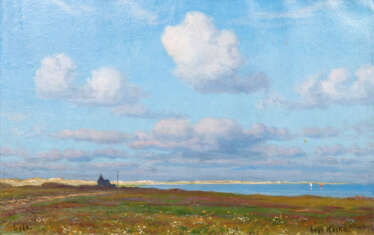

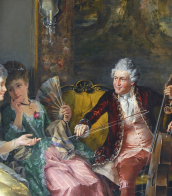
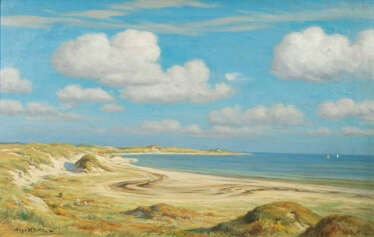

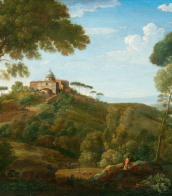
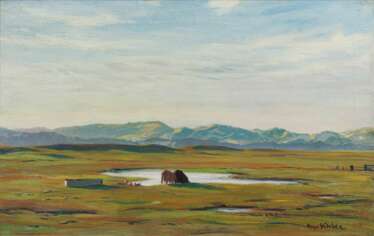

Hugo Wilhelm Georg Köcke was a German painter and graphic artist. He is known as a landscape painter, portrait painter and genre painter. He studied painting at the University of Fine Arts in Berlin. Since 1904 he participated regularly in large art exhibitions. From 1920 he became a member of the Berlin Association of Artists.
After his marriage in 1921 Hugo Köcke settled on the island of Sylt, where he painted many landscapes in oil.
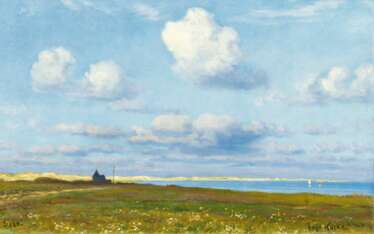

Hugo Wilhelm Georg Köcke was a German painter and graphic artist. He is known as a landscape painter, portrait painter and genre painter. He studied painting at the University of Fine Arts in Berlin. Since 1904 he participated regularly in large art exhibitions. From 1920 he became a member of the Berlin Association of Artists.
After his marriage in 1921 Hugo Köcke settled on the island of Sylt, where he painted many landscapes in oil.
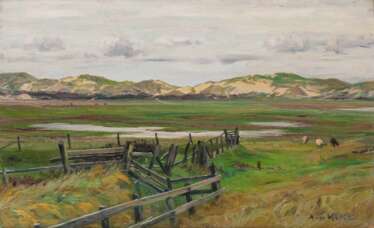

Hugo Wilhelm Georg Köcke was a German painter and graphic artist. He is known as a landscape painter, portrait painter and genre painter. He studied painting at the University of Fine Arts in Berlin. Since 1904 he participated regularly in large art exhibitions. From 1920 he became a member of the Berlin Association of Artists.
After his marriage in 1921 Hugo Köcke settled on the island of Sylt, where he painted many landscapes in oil.
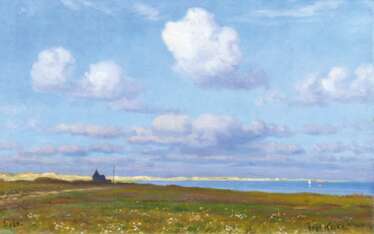

Hugo Wilhelm Georg Köcke was a German painter and graphic artist. He is known as a landscape painter, portrait painter and genre painter. He studied painting at the University of Fine Arts in Berlin. Since 1904 he participated regularly in large art exhibitions. From 1920 he became a member of the Berlin Association of Artists.
After his marriage in 1921 Hugo Köcke settled on the island of Sylt, where he painted many landscapes in oil.
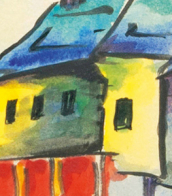



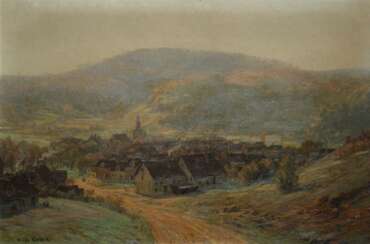

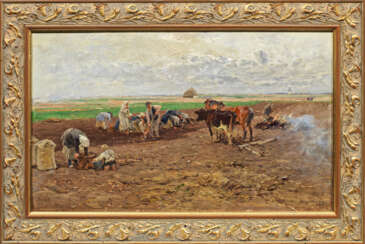

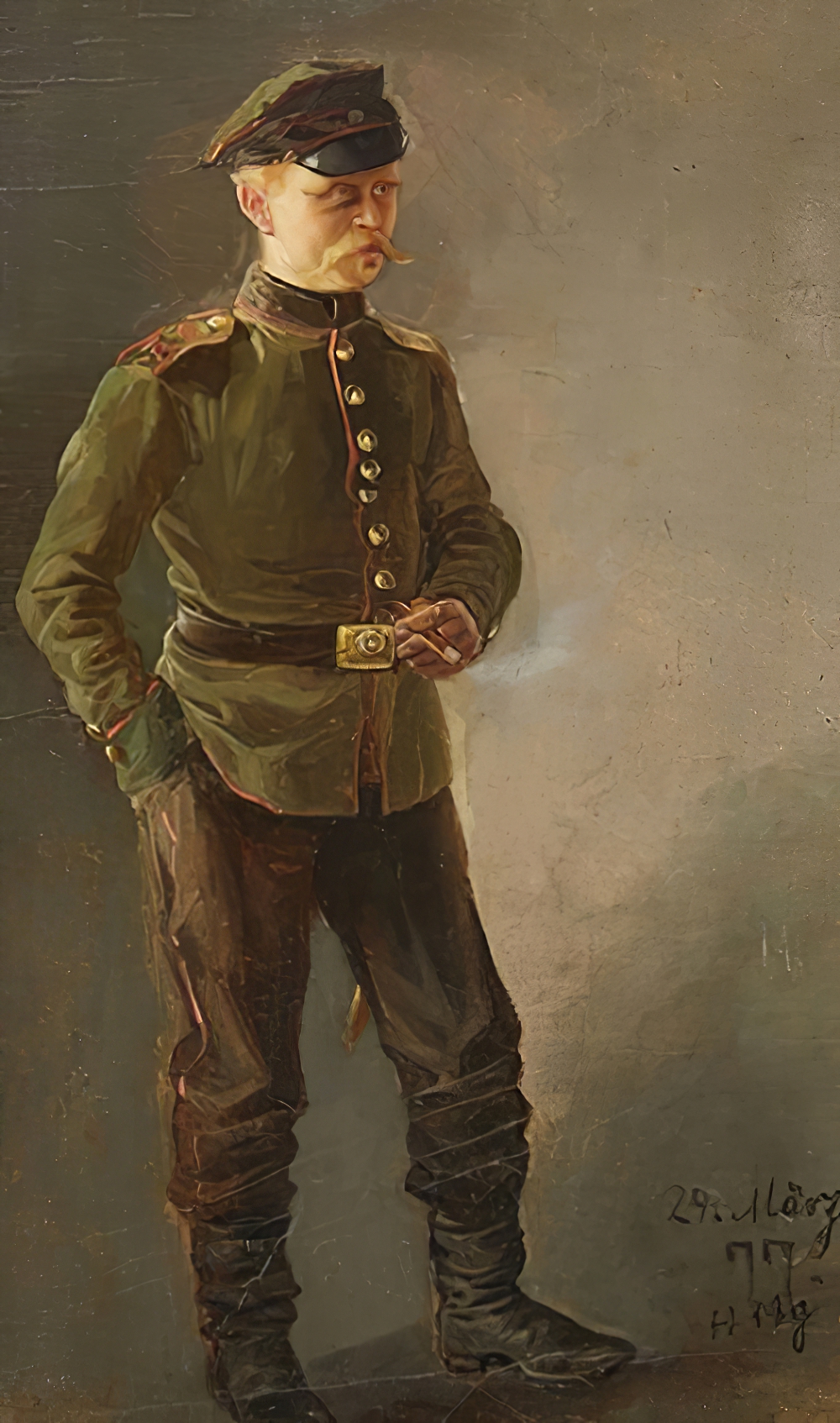
Hugo Mühlig was a German Impressionist painter. From 1881, he lived in Düsseldorf as a painter of landscapes and genre scenes.

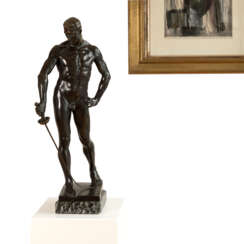

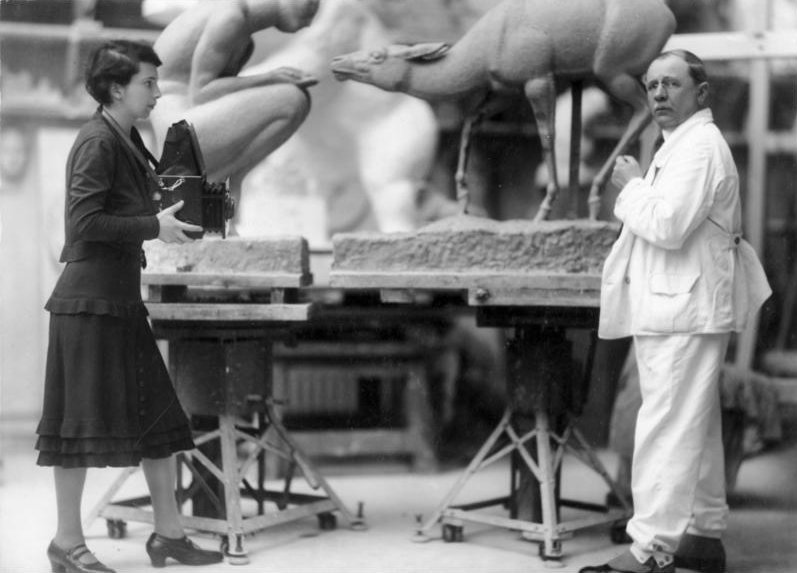
Hugo Lederer was a German sculptor and medallist. He lived and worked in Berlin during the reign of Kaiser Wilhelm II and the first German democracy. His most famous work is the monumental monument to Bismarck in Hamburg (1902-1906).
Hugo Lederer always stood on the side of upper-class modernism and opposed the anti-bourgeois left-wing or popular art scene. Initially he was still following Reinhold Begas and his neo-Baroque style, the Gründerzeit art movement favoured by Kaiser Wilhelm II and despised by many intellectuals of the time.




Hugo Mühlig was a German Impressionist painter. From 1881, he lived in Düsseldorf as a painter of landscapes and genre scenes.
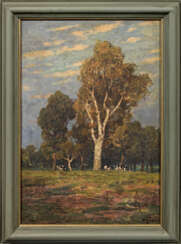

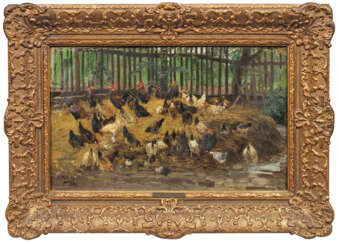

Hugo Mühlig was a German Impressionist painter. From 1881, he lived in Düsseldorf as a painter of landscapes and genre scenes.


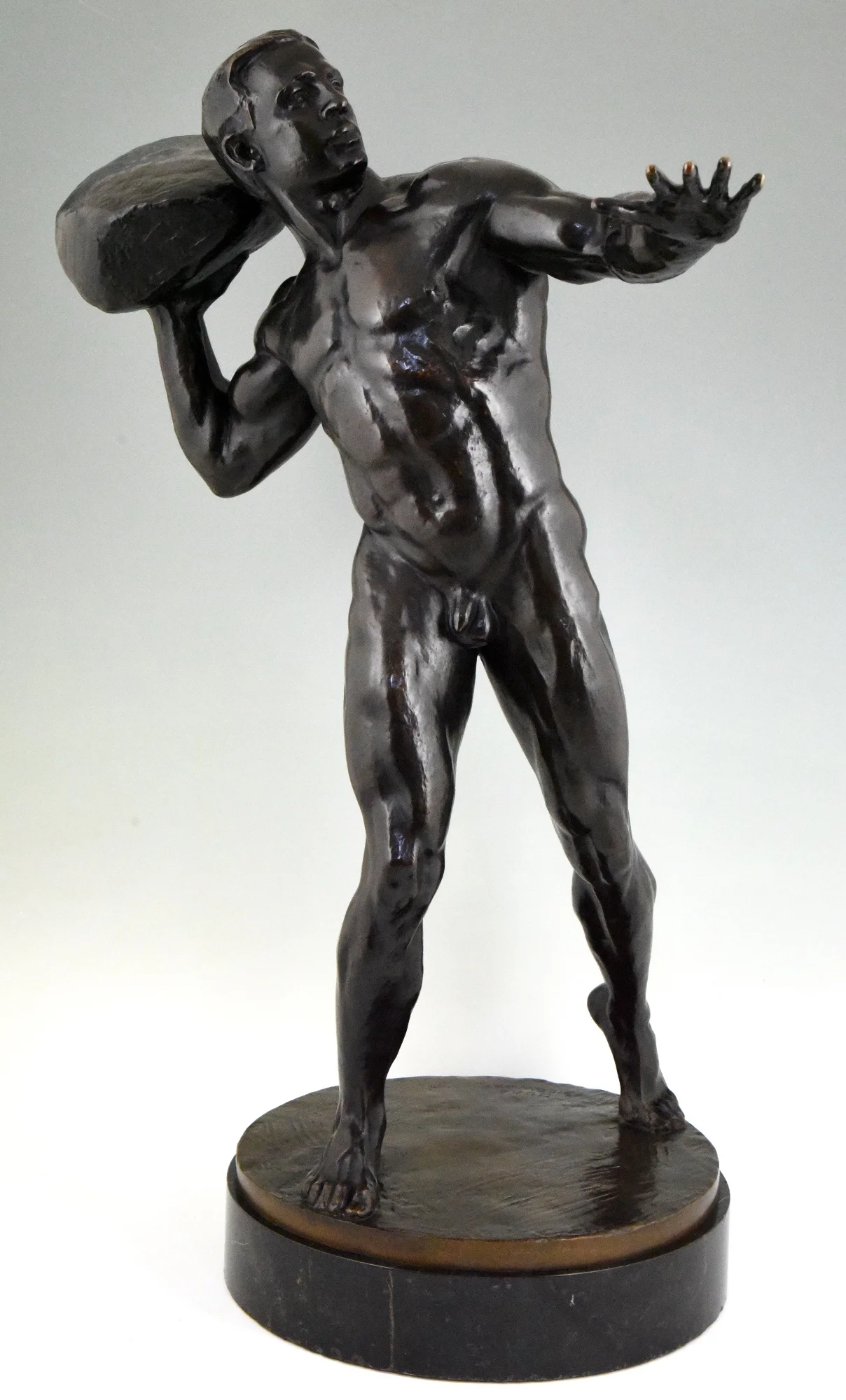
Karl Peter Hugo Siegwart was a Swiss sculptor and medallist. He studied at the Academy of Fine Arts in Munich with Max von Widnmann and in Paris at the Académie Julian with Henri Chapu.
Hugo Siegwart's work extended to monumental sculptures, portrait busts, small sculptures and building reliefs, while striving for the most accurate and realistic reproduction of nature.


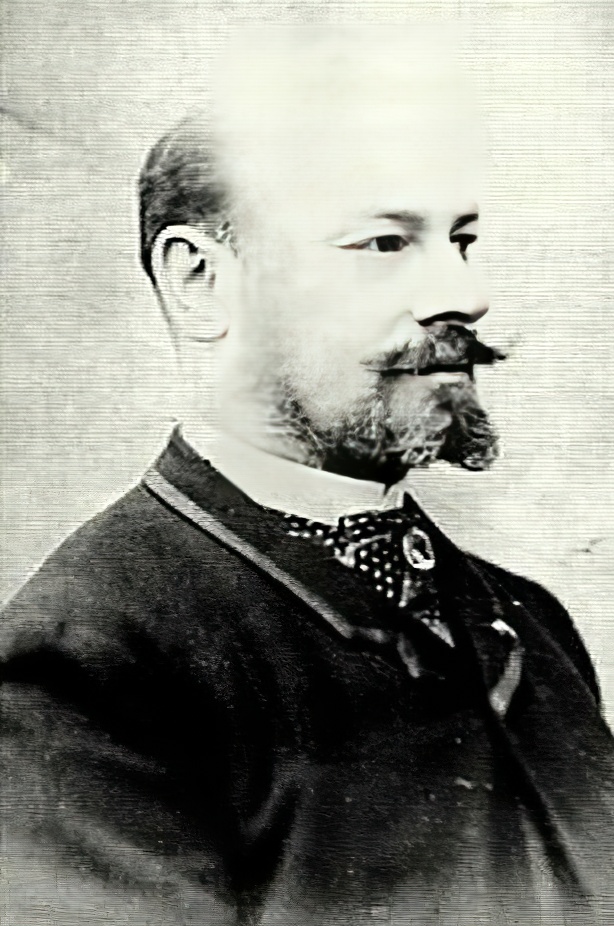
Hugo Fredrik Salmson was a Swedish painter known for his figures and genre scenes. After studying business, he pursued an artistic career and received training at the Royal Swedish Academy of Fine Arts.
Salmson gained recognition for his painting of Sten Sture the Younger meeting Gustav Trolle. He traveled to Paris for further artistic development and exhibited at the Salon in 1870. Despite becoming a member of the Royal Academy, he later joined a group opposing its teaching methods. In his later years, Salmson focused on portraits but battled depression and died in 1894.
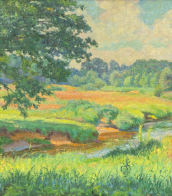
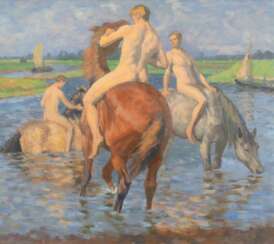


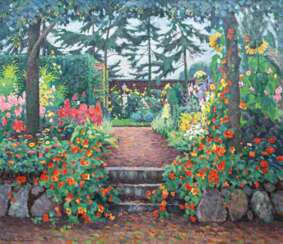

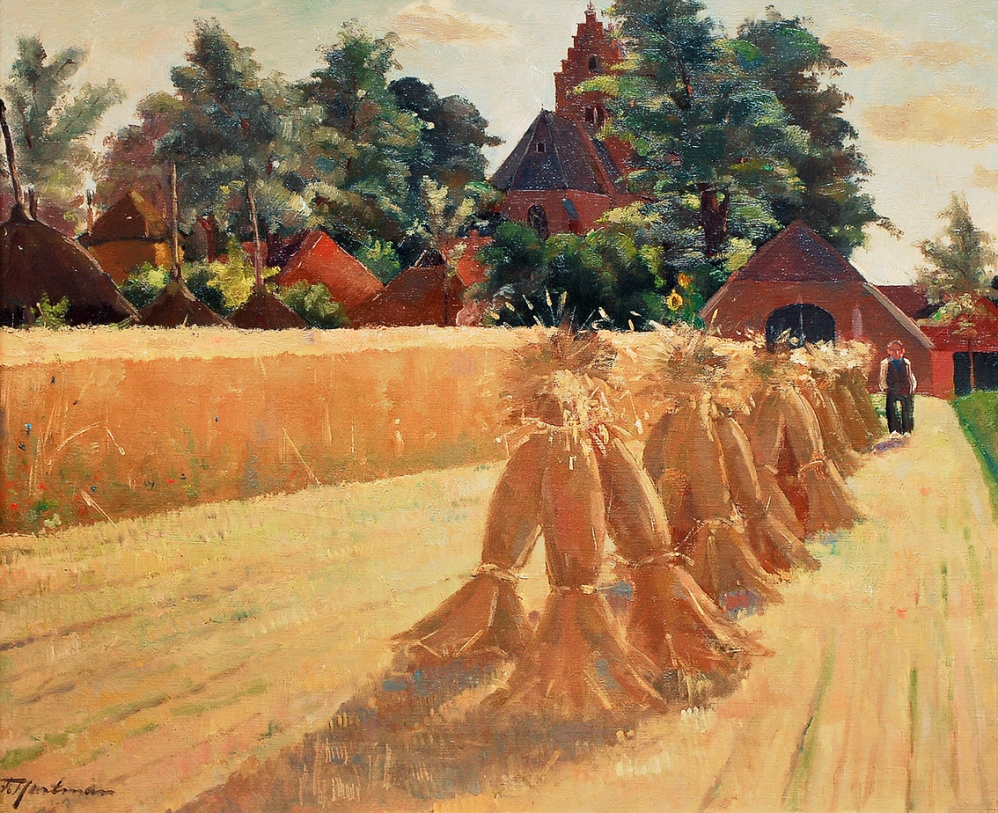
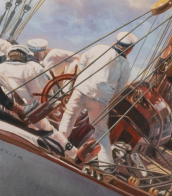
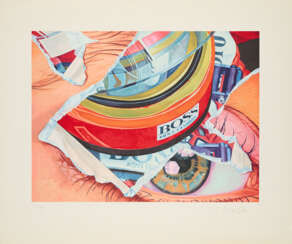

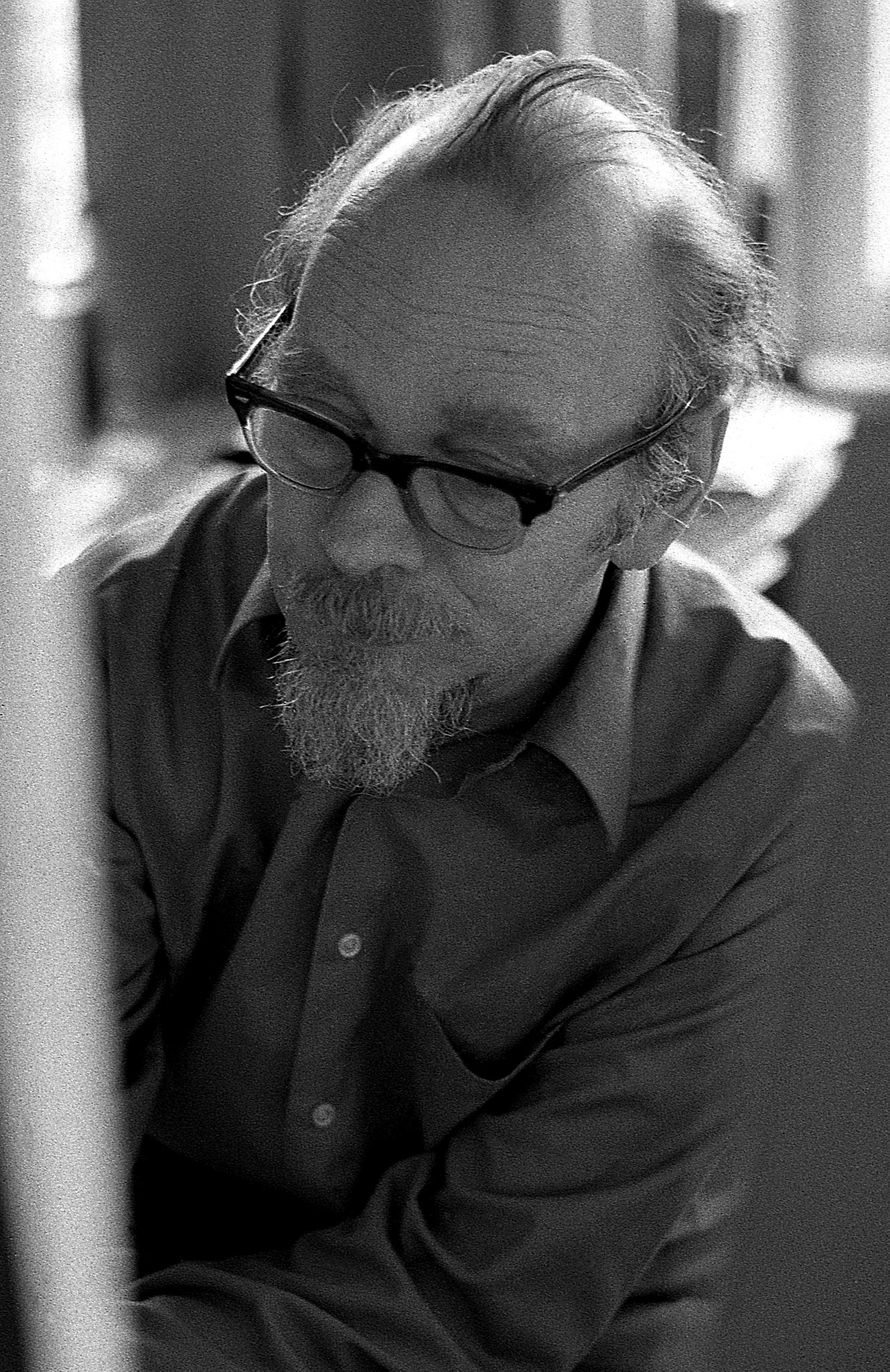
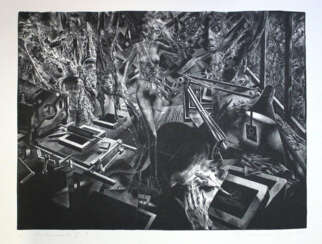
Fritz Köthe — German painter and graphic artist, is considered one of the most important representatives of German pop art and photorealism.
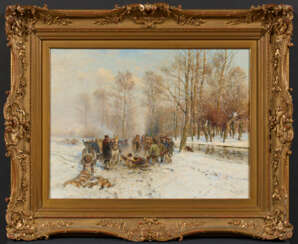

Hugo Mühlig was a German Impressionist painter. From 1881, he lived in Düsseldorf as a painter of landscapes and genre scenes.
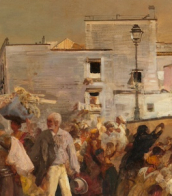
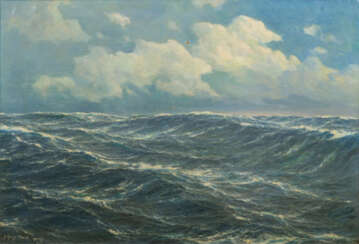

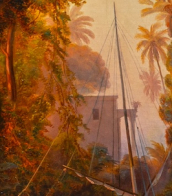

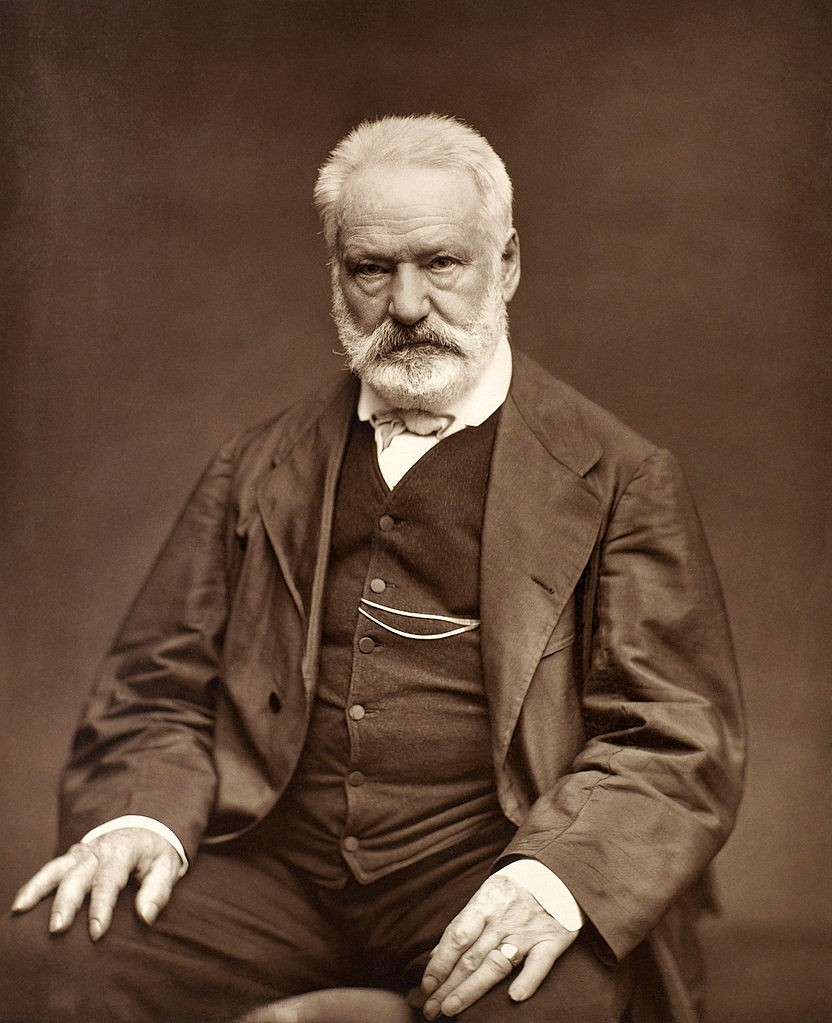
Victor Hugo was a French poet, novelist, dramatist, and politician, celebrated for his profound impact on art, culture, painting, and history. Born on February 26, 1802, in Besançon, France, Hugo emerged as a pivotal figure in the Romantic literary movement. His illustrious career spanned over six decades, during which he authored numerous works in various genres.
Victor Hugo's legacy is particularly notable for his novels "The Hunchback of Notre-Dame" (1831) and "Les Misérables" (1862), which have left an indelible mark on literature and culture. These works not only showcase his storytelling prowess but also reflect his deep engagement with the social issues of his time. His commitment to addressing societal concerns is further evidenced by his active political life and advocacy for causes like the abolition of capital punishment and slavery.
Beyond his literary and political contributions, Victor Hugo was also an accomplished artist, having produced over 4,000 drawings throughout his lifetime. His passion for the arts and dedication to social causes cemented his status as a national hero in France. When he passed away on May 22, 1885, his significance was underscored by a state funeral at the Panthéon in Paris, attended by over 2 million people, making it the largest in French history.
For collectors and experts in art and antiques, Victor Hugo's multifaceted legacy offers a rich tapestry of creativity and commitment to explore. His works not only provide profound literary enjoyment but also serve as a window into the cultural and historical milieu of 19th-century France.
To stay informed about new product sales and auction events related to Victor Hugo, sign up for updates. This subscription will ensure you're always in the loop regarding the latest developments related to this iconic figure's works and associated artifacts.